Induction hardening is a state‑of‑the‑art thermal process that has revolutionized industries ranging from automotive and aerospace to heavy equipment and lifting. Although it has been used for decades, its precision, efficiency, and ability to optimize performance have brought it to the forefront of modern manufacturing. In this article, we’ll explore the induction hardening process, its benefits, and why it has become a pivotal technology in producing high‑performance components.
What is Induction Hardening?
Induction hardening is an advanced surface‑hardening technique used to selectively treat conductive materials such as steel and other ferrous alloys. Unlike traditional methods like furnace or flame hardening, induction hardening precisely targets specific areas of a component, providing highly localized heating. This allows for tight control of temperature profiles and results in superior mechanical properties while minimizing distortion.
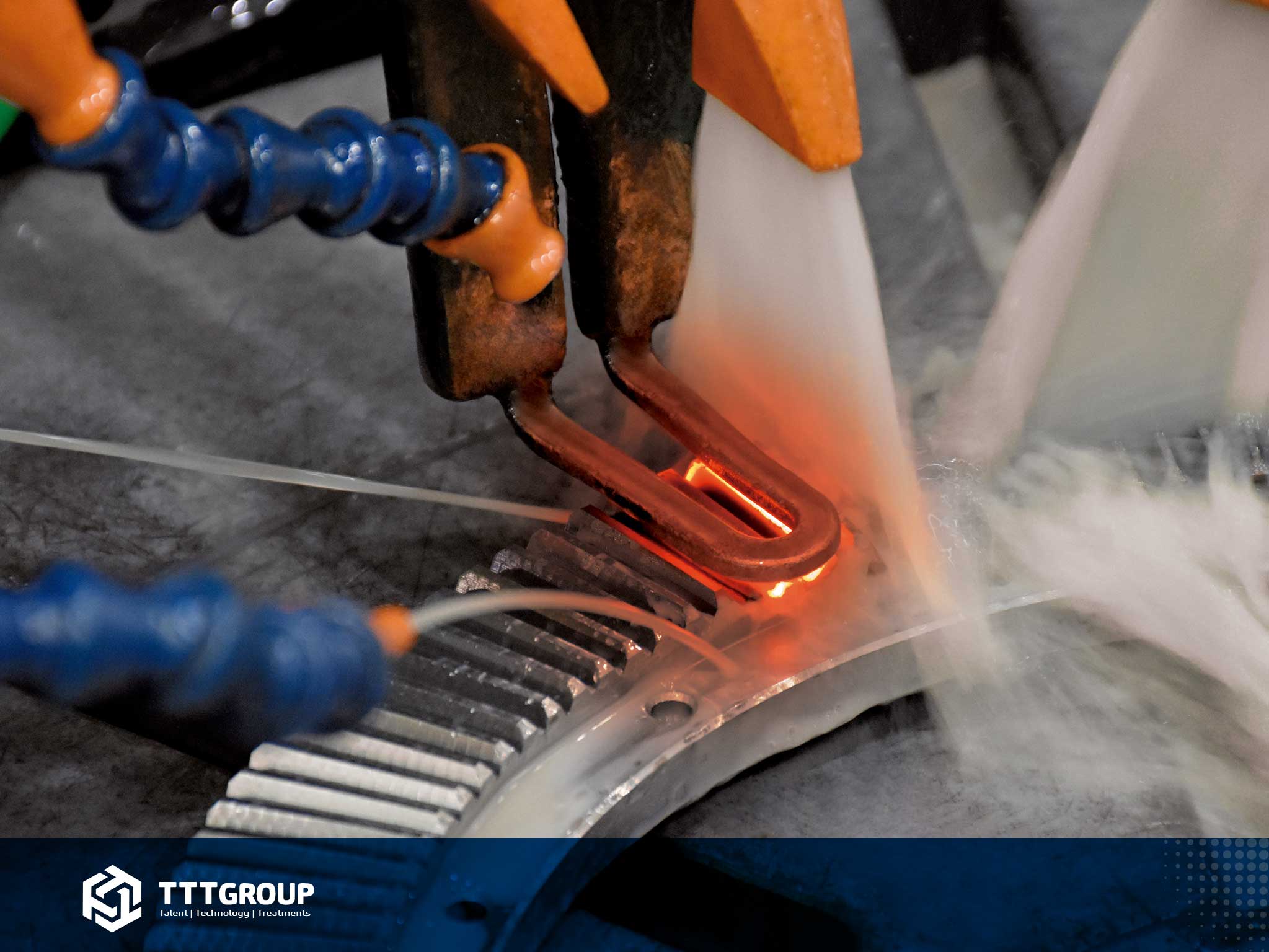
How Does Induction Hardening Work?
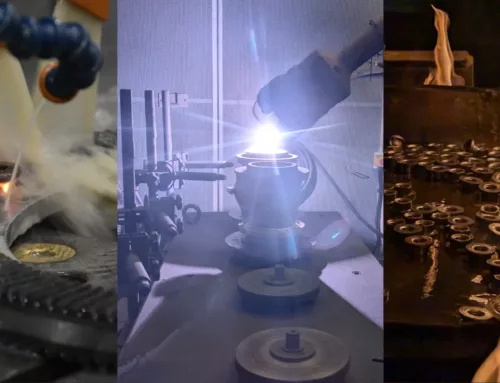
Induction hardening operates on the principle of electromagnetic induction. The process begins with the placement of a copper induction coil around the component. When high‑frequency electrical current is passed through the coil, it creates a powerful electromagnetic field. This, in turn, induces eddy currents within the surface layers of the component, generating intense, localized heat due to the Joule effect.
As soon as the targeted area reaches the desired hardening temperature, it is rapidly quenched — locking in a refined, martensitic microstructure. The result is a surface that delivers dramatically improved wear resistance and strength, while the core maintains its original toughness and ductility.
Key applications of Induction Hardening
Induction hardening delivers precision and reliability across a broad range of industries, making it an ideal solution for critical, high‑stress components:
- Automotive Industry: Hardening of camshafts, gears, and drivetrain components to extend service life and optimize performance.
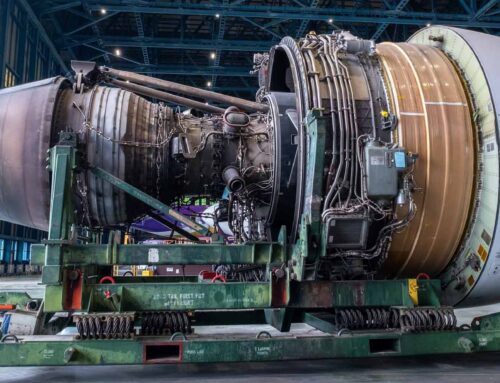
- Aerospace Industry: Precision hardening of engine shafts, rotors, and structural elements to ensure durability and resistance to fatigue.
- Heavy and Industrial Vehicles: Strengthening of gears, shafts, and bearings for enhanced load‑bearing capacity and wear resistance.
- Lifting and Material Handling: Hardening of cables, crane hooks, and pulleys to optimize fatigue life and operational safety.
Advantages of Induction Hardening
El temple por inducción ofrece varias ventajas clave en comparación con otros métodos de temple:
- Precisión: Permite un control preciso de la temperatura, lo que resulta en una dureza uniforme y consistente en toda la pieza.
- Eficiencia Energética: Minimiza la pérdida de calor y requiere menos tiempo en comparación con otros métodos de temple.
- Reducción de Distorsión: Al calentar localmente la pieza, se reduce la probabilidad de deformación y distorsión.
Induction hardening stands out as one of the most effective surface‑treatment technologies available today, offering a range of benefits:
- Exceptional Precision: Enables highly targeted heating for precise control of surface properties.
- Energy Efficiency: Provides rapid heating with minimal thermal loss compared to traditional methods.
- Reduced Distortion: Minimizes thermal deformation by focusing energy exclusively where needed.
- Consistent Quality: Enables repeatable, reproducible results across a range of component geometries.
- Shorter Cycle Times: Increases throughput and productivity, making it ideal for high‑volume manufacturing.
Why Choose Induction Hardening?
With its ability to selectively harden critical areas of a part, induction hardening delivers unmatched precision, efficiency, and performance. It’s a process that not only improves the wear resistance and durability of components but also supports sustainability by reducing energy usage and waste.
As industries evolve and the demand for stronger, lighter, and more durable components grows, induction hardening is positioned to play an ever‑increasing role. Its versatility, precision, and cost‑effectiveness make it an ideal choice for manufacturers seeking a competitive edge.
Induction hardening is more than just a thermal process — it’s a catalyst for innovation across industries. Its ability to selectively deliver strength and durability where it’s needed most allows manufacturers to optimize component design, extend service life, and reduce operational costs. As this technology continues to evolve, it will remain a cornerstone for achieving higher performance and reliability in critical applications.